
Applied Neurosciences in Sports: Optimizing Performance Through Brain Knowledge
Today, neurosciences play a fundamental role in sports performance. Understanding how the brain works and how it connects with the body is key to helping


Today, neurosciences play a fundamental role in sports performance. Understanding how the brain works and how it connects with the body is key to helping

Neuroscience applied to sports has emerged as a key field for improving athletic performance, optimizing recovery, and understanding how the mind influences the body during
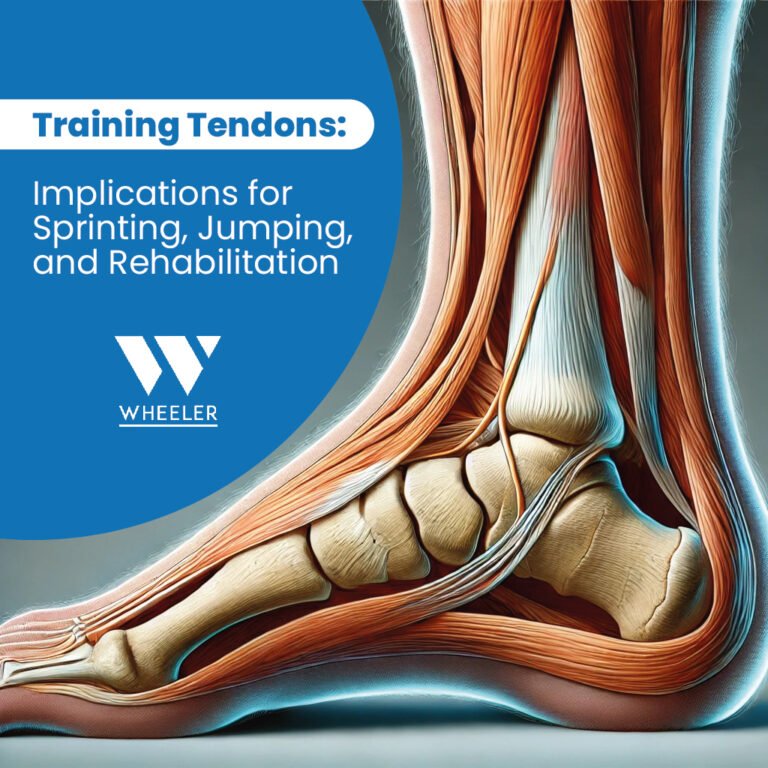
Tendons play a fundamental role in athletic performance, especially in activities that require speed, jumping, and explosiveness. However, for many trainers and physiotherapists, the focus
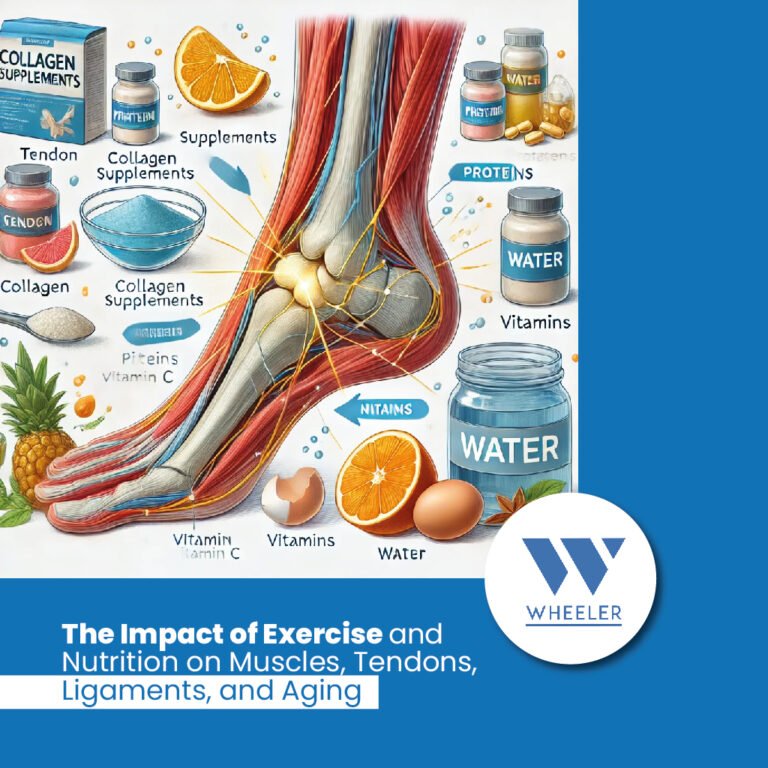
As we age, maintaining an active lifestyle and good nutrition not only helps us live longer but also improves our quality of life. Over the
Soccer, as a high-intensity sport with complex physical demands, is associated with a high injury incidence. Conditioning and injury prevention programs are crucial for optimizing

Hamstring injuries are one of the most common and frustrating issues in soccer, especially due to their high recurrence rate and difficulty in achieving full,
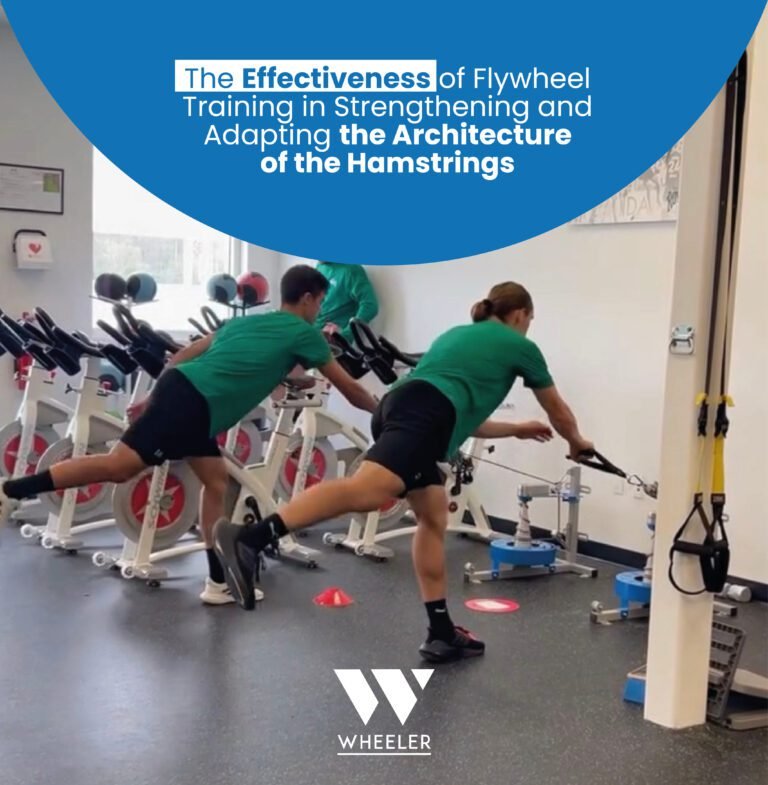
In high-performance sports training, strengthening the hamstrings is essential not only for improving performance but also for preventing injuries. One of the most effective yet

Flywheel training has become a popular method for improving hamstring strength, essential for sports requiring speed and explosiveness. Based on eccentric resistance principles, this method

Strength training has long been recognized as one of the most effective strategies for improving physical performance and body composition. In recent years, eccentric overload

Strength training has been an essential component of athletes’ physical preparation for decades, but the approach to applying the right loads has evolved significantly. One